
How to Build a Strong Travel History as a Nigerian
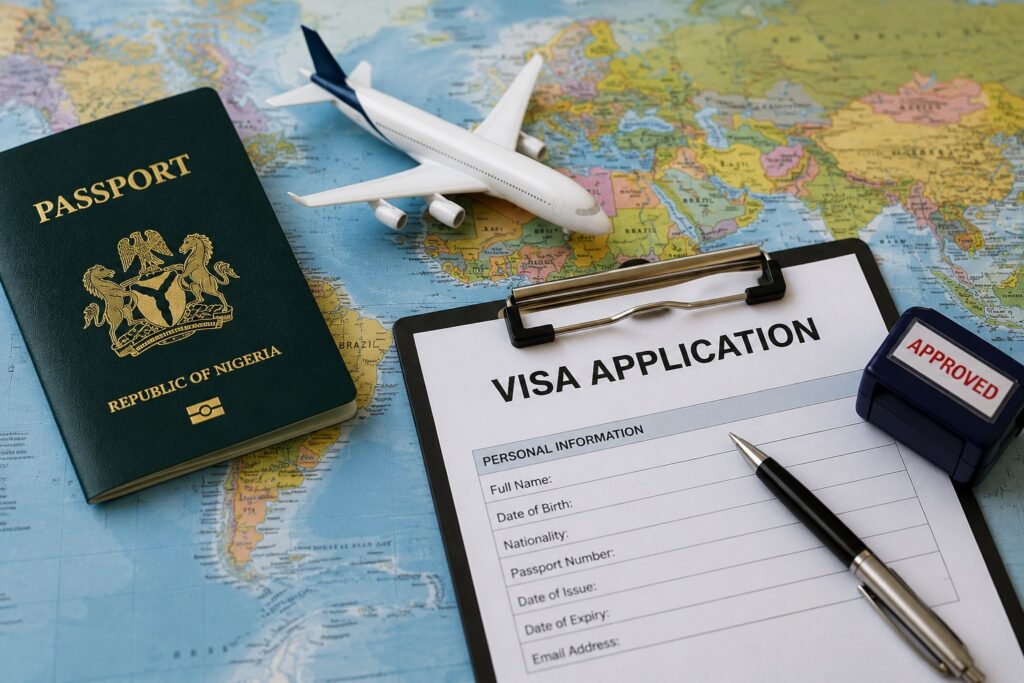
Building a Strong Travel History
Introduction
One of the most common questions prospective travelers ask is:
“How can I improve my chances of getting a visa approved?”
While there is no guaranteed formula for visa approval, one factor that often strengthens an application is a positive travel history.
Travel history refers to the record of countries you have visited in the past and your compliance with the immigration laws of those countries. For many embassies and immigration authorities, a good travel history can demonstrate that you are a genuine traveler who respects visa conditions and returns home after each trip.
The good news is that building a strong travel history does not require visiting expensive destinations or spending a fortune. It simply requires planning, consistency, and making smart travel decisions.
What Is Travel History?
Travel history is the record of your previous international trips. It includes:
- Countries you have visited
- Entry and exit stamps in your passport
- Previous visas issued
- Compliance with visa conditions
- Evidence of returning to your home country after travel
When visa officers review applications, they often consider whether an applicant has traveled internationally before and whether they complied with immigration rules during those trips.
Why Is Travel History Important?
Although travel history alone does not guarantee visa approval, it can strengthen your application in several ways.
A positive travel history may help demonstrate:
- Genuine travel intentions
- Compliance with immigration regulations
- Financial ability to travel
- Familiarity with international travel procedures
- Lower perceived immigration risk
For destinations such as the United Kingdom, Schengen countries, Canada, and Australia, previous international travel can sometimes support the overall credibility of an application when combined with strong documentation.
Start With Accessible Destinations
One of the biggest misconceptions among Nigerian travelers is that they must start with Europe or North America.
In reality, many successful travelers gradually build their travel history by visiting destinations that are more accessible.
Examples include:
- Ghana: A popular destination offering cultural experiences, beaches, historical sites, and relatively simple travel arrangements for West Africans.
- Rwanda: Known for its cleanliness, safety, wildlife experiences, and growing tourism sector.
- Kenya: A great destination for safaris, nature lovers, and adventure seekers.
- Zanzibar: One of Africa’s most beautiful island destinations, offering pristine beaches and rich cultural heritage.
- Dubai: A favorite destination among Nigerian travelers due to its tourism infrastructure, shopping experiences, and world-class attractions.
These trips help travelers gain international exposure while building confidence and travel records.
Travel for Genuine Reasons
When building travel history, the objective should not be to collect passport stamps.
Instead, focus on meaningful travel experiences.
Travel for:
- Holidays and vacations
- Family visits
- Conferences and exhibitions
- Educational programs
- Religious pilgrimages
- Cultural experiences
Genuine travel experiences create a natural and credible travel profile over time.
Keep Proper Travel Records
Many travelers underestimate the importance of documentation.
Maintain records of:
- Flight bookings
- Hotel reservations
- Travel insurance
- Tour confirmations
- Boarding passes
- Entry and exit stamps
These records can become useful when completing future visa applications.
Avoid Common Mistakes
Building a strong travel history requires responsible travel behavior.
Avoid:
- Overstaying Your Visa: One of the fastest ways to damage your travel profile is to remain in a country beyond the period authorized by your visa.
- Providing False Information: Always provide accurate information on visa applications and travel documents.
- Last-Minute Travel Planning: Poor planning can result in incomplete documentation and avoidable travel issues.
- Ignoring Entry Requirements: Ensure you understand visa requirements, health regulations, and travel restrictions before departure.
Financial Stability Matters Too
Travel history is only one part of a strong visa application.
Embassies also consider:
- Employment status
- Income stability
- Bank statements
- Business ownership
- Family ties
- Purpose of travel
A traveler with limited travel history but strong supporting documents may still receive visa approval.
Building Travel History Through Group Tours
Group tours are one of the easiest ways for first-time travelers to begin their international travel journey.
Benefits include:
- Professional travel support
- Organized itineraries
- Reduced planning stress
- Access to experienced guides
- Better travel confidence
Many travelers gain their first international experience through structured tour packages before progressing to independent travel.
Frequently Asked Questions
How many countries should I visit before applying for a UK or Schengen visa?
There is no fixed number. What matters most is the quality and consistency of your travel history combined with strong supporting documents.
Does domestic travel count as travel history?
No. Travel history generally refers to international travel records.
Is Dubai a good destination for building travel history?
Yes. Dubai remains one of the most popular destinations for Nigerian travelers seeking international travel experience.
Can I get a visa without travel history?
Absolutely. Many travelers receive visas despite having no previous international travel. Strong documentation and a legitimate purpose of travel remain essential.
Final Thoughts
Building a strong travel history is a journey, not a race.
Focus on exploring destinations that align with your interests, budget, and travel goals. Travel responsibly, comply with immigration regulations, and maintain accurate records of your trips.
Over time, these experiences can contribute to a stronger travel profile and open doors to even more destinations around the world.
Ready to Start Building Your Travel History?
Whether you’re planning your first international trip or your next adventure, Cynosure Travels can help with:
- Flight Ticketing
- Hotel Reservations
- Travel Insurance
- Visa Advisory
- Group Tours
- Customized Travel Packages
Contact Cynosure Travels & Tours Limited today and take the first step toward your next journey.
Sources & References
This article was prepared by the Cynosure Travels Content Team using information from official tourism boards, government travel advisories, destination authorities, industry publications, and internal travel expertise. Information is accurate at the time of publication and may be subject to change.